Expert Guides

Safe Driving and
Tyre Care

Everything you need to know about getting the most from your Pirelli tyres, from understanding performance technology to practical maintenance routines.

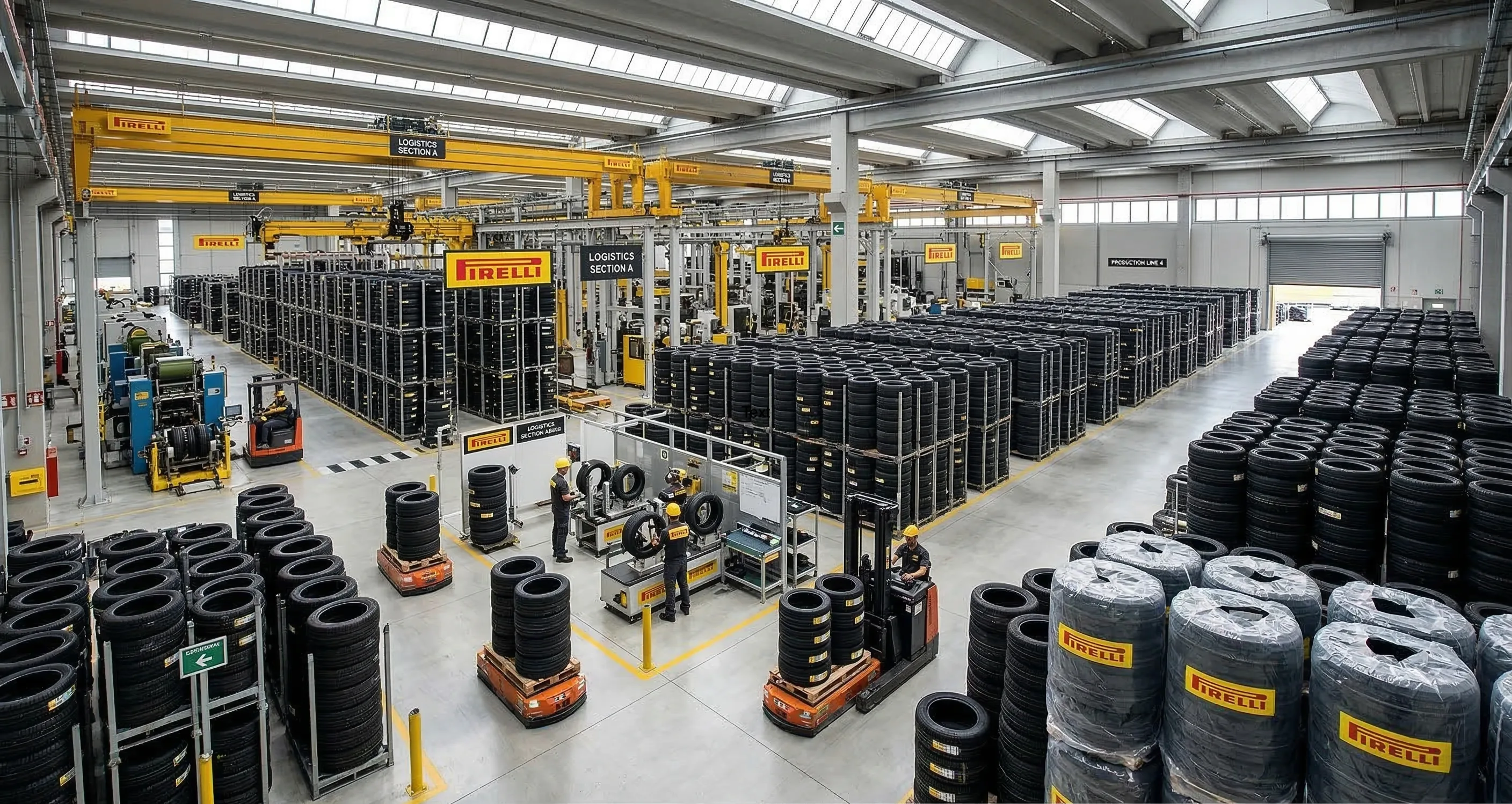
Pirelli tyre technology close-up

Understanding Pirelli Tyre Technology

Pirelli tyres are engineered for performance, safety, and longevity. From the asymmetric tread patterns of the P Zero series to the silica compounds in the Cinturato range, every design decision is backed by decades of motorsport-derived research.

Understanding the technology inside your tyres helps you make smarter purchasing decisions, maintain them correctly, and get the most out of every kilometre. This guide covers the key performance pillars that define Pirelli's product range.

Read Guide

Performance

Tyre Performance Explained

High Performance & Precision Handling

Pirelli P Zero series delivers exceptional dry handling and high-speed stability. The asymmetric tread pattern provides maximum contact with the road surface during cornering and braking, making it the tyre of choice for performance and sports cars.

Superior Wet & Dry Grip

Deep circumferential grooves rapidly disperse water from the contact patch, maintaining grip in wet conditions. Silica-enriched compounds improve traction on both wet and dry surfaces, shortening braking distances significantly.

Comfort & Low Noise Levels

Pirelli's PNCS (Pirelli Noise Cancelling System) technology inserts a layer of polyurethane foam inside the tyre to absorb road vibrations, significantly reducing interior cabin noise. Ideal for premium saloons and luxury SUVs.

Durability & Safety

Advanced compound technologies extend tread life without compromising safety. Run-flat technology allows you to continue driving for up to 80 km at 80 km/h after a puncture, eliminating the need to change a tyre in unsafe conditions.

Essential Tyre Maintenance

Follow these five practices to extend the life of your tyres and maintain peak safety on every journey.

01

Check Tyre Pressure

Check monthly when tyres are cold. Under-inflated tyres increase fuel consumption by up to 3% and cause uneven wear along the outer edges of the tread. Over-inflation reduces the contact patch and degrades ride comfort.

Practical Tip

Recommended pressure is usually printed on a sticker inside the driver's door jamb or in the owner's manual. Never use the figure stamped on the tyre sidewall — that is the maximum, not the recommended pressure.

02

Inspect Tread Depth

The legal minimum tread depth in India is 1.6 mm. Replace tyres before they reach this limit for optimal safety — most tyre experts recommend replacing at 3 mm as wet grip deteriorates significantly below this point.

Practical Tip

Use a 1 rupee coin — if the outer rim is visible when inserted into the tread groove, it's time to replace. Most new Pirelli tyres also feature tread wear indicators moulded into the grooves.

03

Check for Visible Damage

Inspect tyres monthly for cuts, bulges, cracks, or embedded objects. Even small damage to the tread or sidewall can compromise structural integrity and lead to sudden deflation at speed.

Practical Tip

Check the sidewalls carefully — damage to the sidewall cannot be repaired and requires immediate replacement. Any bulge, no matter how small, indicates internal structural failure.

04

Rotate Tyres

Rotate tyres every 8,000–10,000 km to ensure even wear across all four positions, extending their useful life and maintaining consistent handling characteristics.

Practical Tip

Front tyres typically wear faster than rear tyres on front-wheel-drive vehicles. Rotation equalises this wear and can add thousands of kilometres to tyre life.

05

Balance and Align Wheels

Have wheel alignment checked every 10,000 km, or immediately if you notice uneven wear, the vehicle pulling to one side, or steering wheel vibration. Incorrect alignment stresses the tyre construction unevenly.

Practical Tip

Misaligned wheels can reduce tyre life by up to 30% and negatively affect fuel efficiency. Always re-check alignment after hitting a significant pothole or kerb.

Replacement

When Should You Replace Your Tyres?

Even well-maintained tyres have a finite lifespan. Beyond tread depth, age, heat cycling, and physical damage all degrade the rubber compound. Use this checklist to determine when it's time to visit us.

  • Tread depth below 2 mm

    Wet grip is severely compromised and aquaplaning risk increases sharply

  • Age over 5 years (even with good tread)

    Rubber compounds oxidise and harden over time regardless of appearance

  • Visible bulges or sidewall damage

    Indicates internal structural failure. Do not drive on this tyre.

  • Persistent vibration or pulling

    May indicate internal belt separation or severe balance issues

  • After significant impact or kerb strike

    Internal damage may not be visible externally. Have it inspected immediately.

Quick Reference

Tyre Health at a Glance

Tread Depth Min. 1.6 mm legal · Replace at 3 mm
Tyre Age Replace after 5 years
Pressure Check Monthly (cold tyres)
Rotation Every 8,000–10,000 km
Alignment Check Every 10,000 km

Not sure about the condition of your tyres? Our technicians offer free visual inspections at our Banjara Hills showroom. No appointment necessary.

Free Inspection

Need a Tyre Inspection?

Book a free inspection at our Banjara Hills showroom. Our certified technicians will check tread depth, pressure, alignment, and overall condition. Free of charge.

Book Free Inspection